
KEYNOTE SPEAKERS
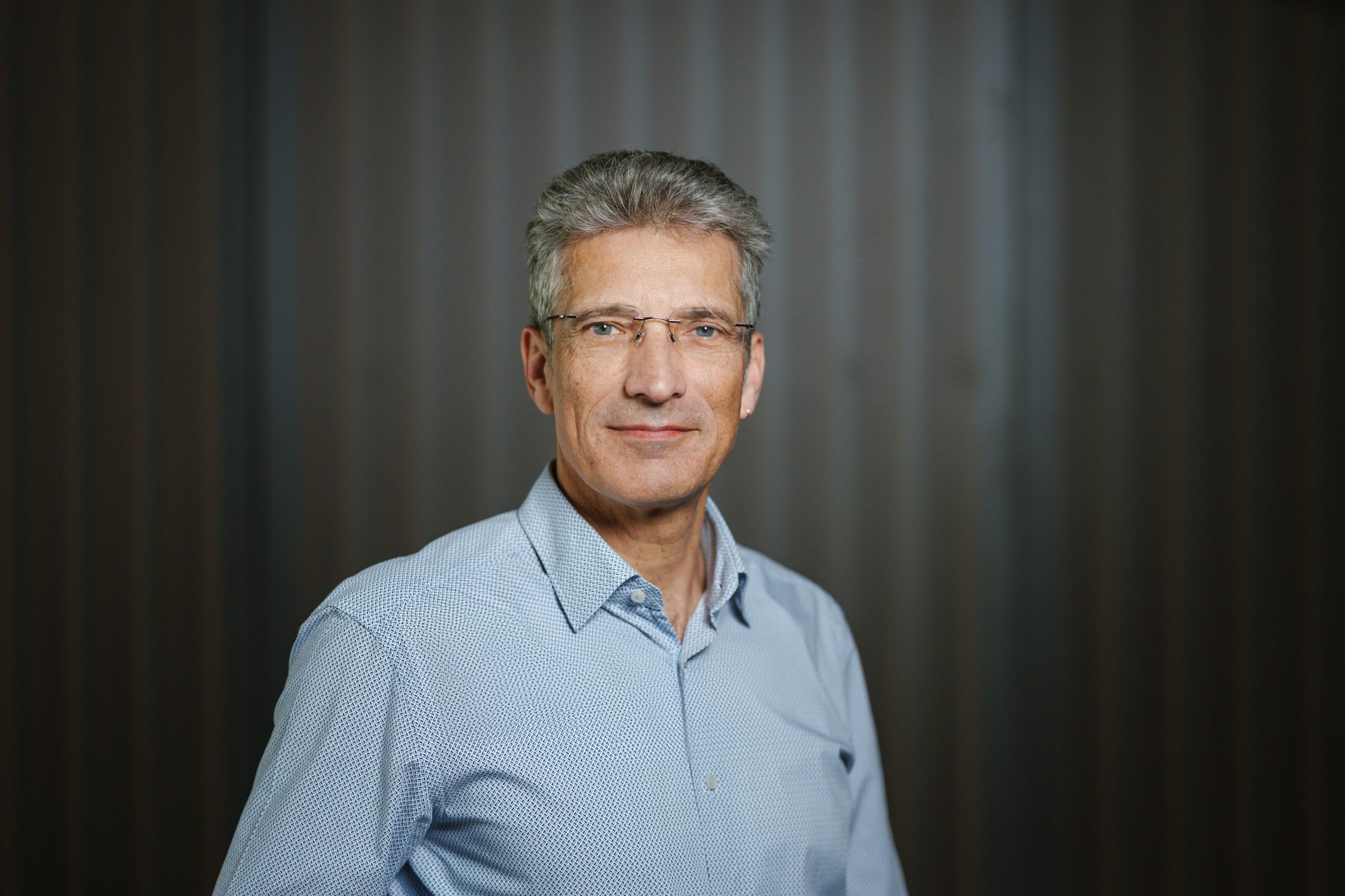
Professor Antonio Krüger
Saarland University
Keynote Title
The role of HCI in Trusted AI
Abstract
The increasing deployment of AI systems that are hard to inspect, particularly large-scale statistical models, presents a critical challenge to user trust. While AI performance is rapidly advancing, the opacity of decision-making processes often leads to skepticism, misuse, and a lack of accountability—a core concern in the development of Trusted AI. This talk discusses how Human-Computer Interaction(HCI) can help to address this trust deficit, arguing that well-designed interaction patterns are needed to increase transparency and as such trust in complex systems. The talk will discuss several examples from AI systems deployed in domains associated with high risk, such as medicine, production and automated driving. Antonio Krüger is the CEO and Scientific Director of Deutsches Forschungszentrum für Künstliche Intelligenz GmbH (DFKI), as well as the Scientific Director of the Cognitive Assistants research department at DFKI. Antonio has been a professor of computer science and head of the Ubiquitous Media Technology Lab at Saarland University since 2009 and his research combines methods from human-computer-interaction and artificial intelligence.
Bio
The increasing deployment of AI systems that are hard to inspect, particularly large-scale statistical models, presents a critical challenge to user trust. While AI performance is rapidly advancing, the opacity of decision-making processes often leads to skepticism, misuse, and a lack of accountability—a core concern in the development of Trusted AI. This talk discusses how Human-Computer Interaction(HCI) can help to address this trust deficit, arguing that
well-designed interaction patterns are needed to increase transparency and as such trust in complex systems. The talk will discuss several examples from AI systems deployed in domains associated with high risk, such as medicine, production and automated driving.
Antonio Krüger is the CEO and Scientific Director of Deutsches Forschungszentrum für Künstliche Intelligenz GmbH (DFKI), as well as the Scientific Director of the Cognitive Assistants research department at DFKI. Antonio has been a professor of computer science
and head of the Ubiquitous Media Technology Lab at Saarland University since 2009 and his research combines methods from human-computer-interaction and artificial intelligence.

Professor Pattie Maes
MIT Media Lab
Keynote Title
Designing AI Interaction for Human Flourishing
Abstract
AI is increasingly mediating our entire human experience—the way we live, work, make decisions, socialize, consume information, and express ourselves. This raises a fundamental question: How do we ensure that this development is ultimately beneficial for people and society? The promise is substantial. AI offers opportunities for increased productivity and creativity in work, earlier disease detection and personalized treatments in healthcare, adaptive learning in education, intelligent assistance for daily tasks, and enhanced accessibility for the elderly and people with impairments. Yet the reality of AI impact is so far mixed at best. We are witnessing concerning trends: increased vulnerability to misinformation and manipulation, erosion of critical thinking skills and human agency, declining interest in learning alongside loss of previously acquired skills, weakening social ties as companion bots replace human connection, emerging mental health challenges, and displacement of meaningful work. As designers and researchers of intelligent user interfaces, we face a critical challenge: How should we design AI interfaces and applications to capture the benefits while preventing these negative outcomes? This talk will explore the key problems that must be addressed, the studies that need to be performed, and the design approaches that should be experimented with to answer this question. Our goal is not simply to advance AI capabilities, but to ensure that as AI advances, people and humanity advance as well. The future of human-AI interaction depends on our ability to create interfaces that augment rather than diminish human potential, foster rather than replace human connection, and empower rather than erode human agency.
Bio
Pattie Maes is the Germeshausen Professor of Media Arts and Sciences at the MIT Media Lab, where she conducts research at the intersection of Human Computer Interaction and Artificial Intelligence MIT Media Lab. Maes pioneered the concept of Software Agents and Recommendation Systems in the early 1990s and continues to explore how digital systems can augment human capabilities in areas such as decision making, learning, health, and wellbeing. Maes has published over 500 peer-reviewed articles and has served as editor of four books. Born in Belgium, Maes earned her BA and PhD in Computer Science and Artificial Intelligence from the Vrije Universiteit Brussel. Before joining the MIT Media Lab, she worked at the MIT Artificial Intelligence Lab as a visiting professor and research scientist alongside AI luminaries Marvin Minsky and Rodney Brooks. Maes has received numerous accolades throughout her career, including being named a Global Leader for Tomorrow by the World Economic Forum and being awarded the Lifetime Research Achievement Award by ACM SigCHI.